Understanding the Significance of Folklore in Culture
Folklore plays a crucial role in shaping cultural identities, preserving traditions, and fostering community ties. This article delves into the multifaceted significance of folklore within cultural landscapes, particularly as it pertains to the rich heritage of Lithuania.
The Essence of Folklore
Folklore encompasses the traditional beliefs, myths, legends, and practices that are passed down through generations. According to experts in cultural studies, folklore often reflects the values and social norms of a community, serving as a mirror to their historical experiences. This significance can be particularly observed in various forms of artistic expression such as music, dance, and storytelling. Such traditions often help to foster a sense of belonging and cultural pride.
"Folklore is not just a collection of tales; it is the very foundation of our cultural identity." - Cultural Anthropologist
Why Folklore Matters
Understanding the significance of folklore is vital for several reasons:
- Preservation of History: Folklore often encapsulates historical events and social changes, preserving them in a form that is accessible and relatable. Research indicates that oral traditions can maintain historical narratives for centuries, providing insight into the past.
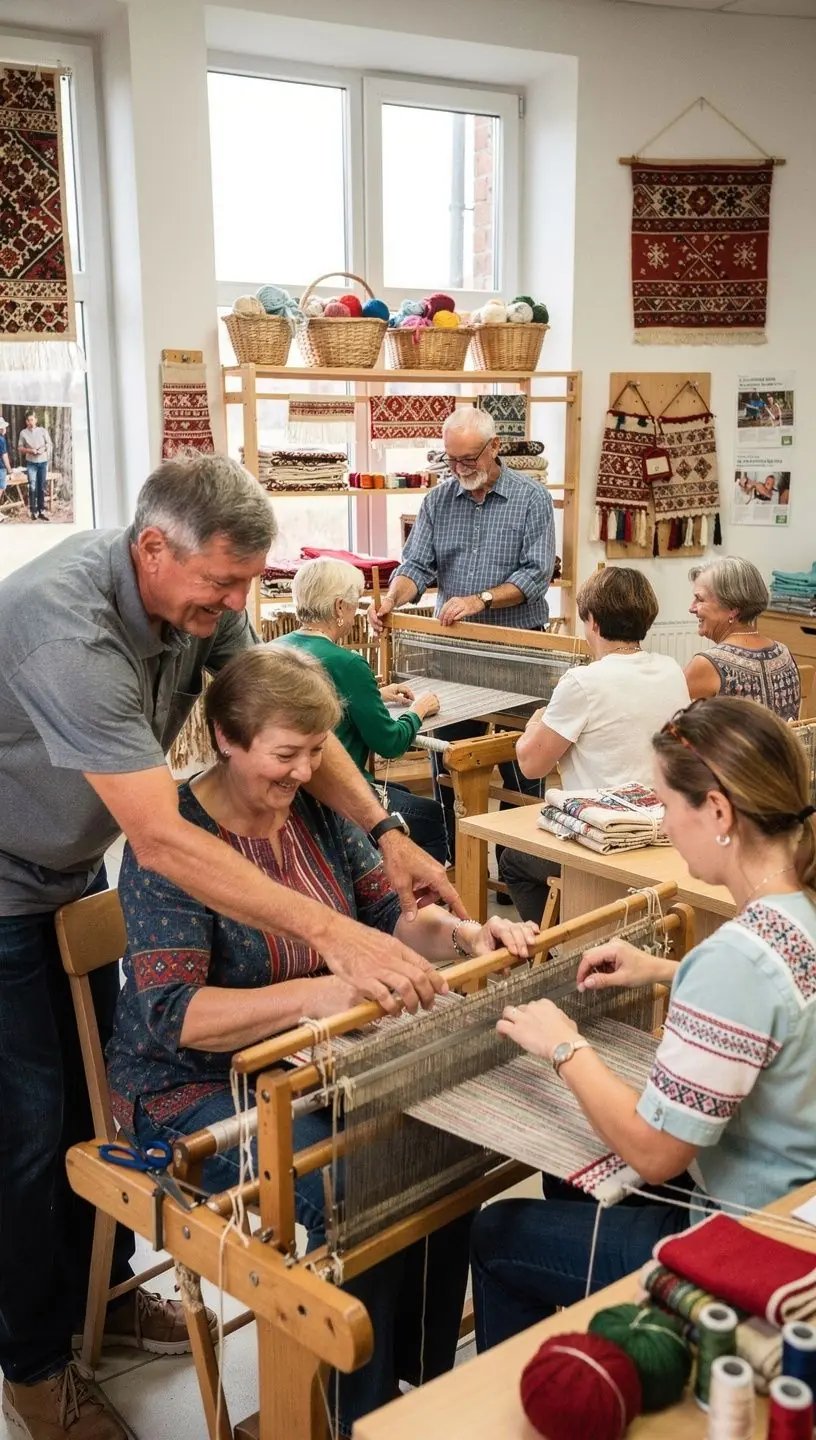
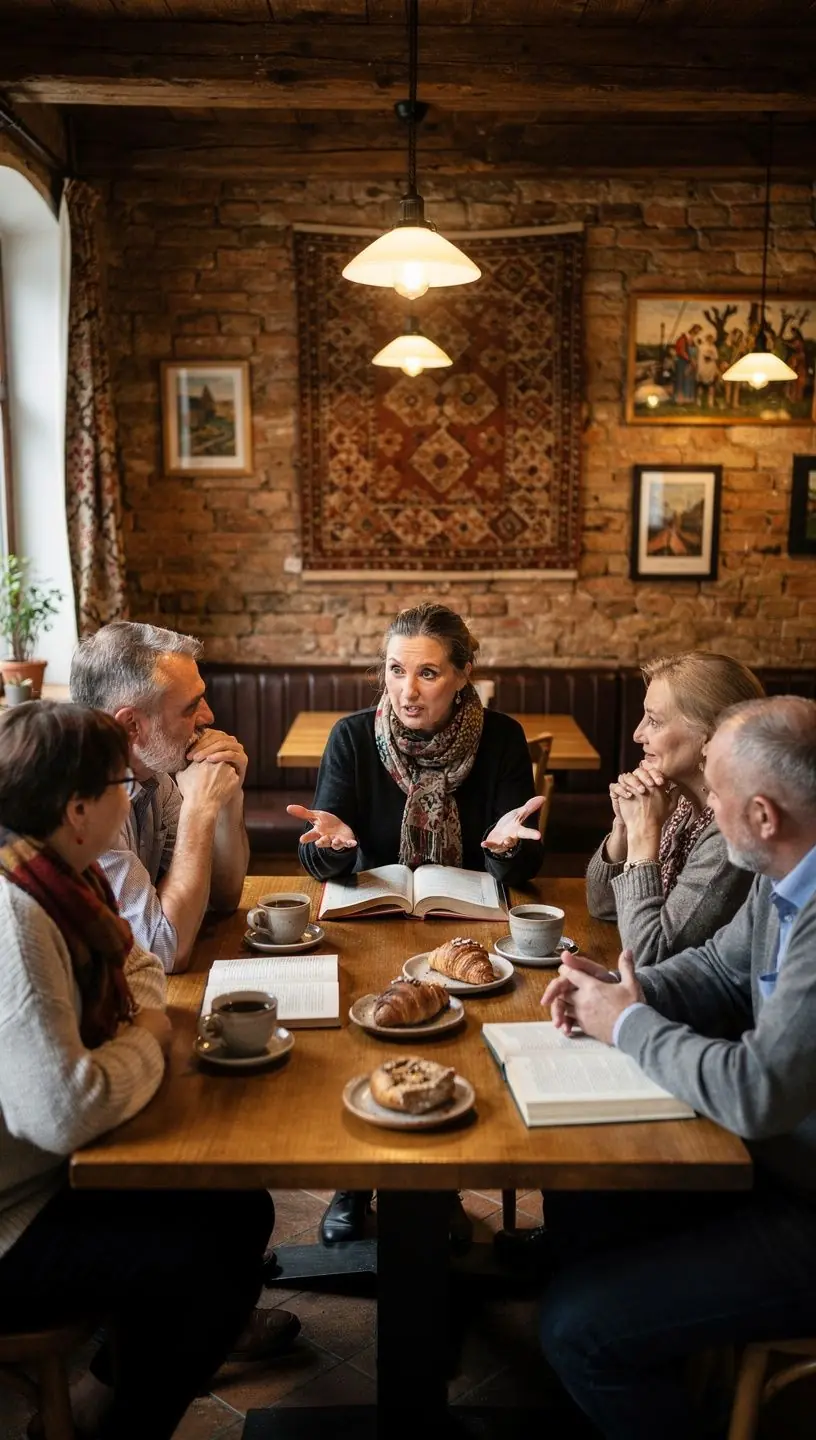
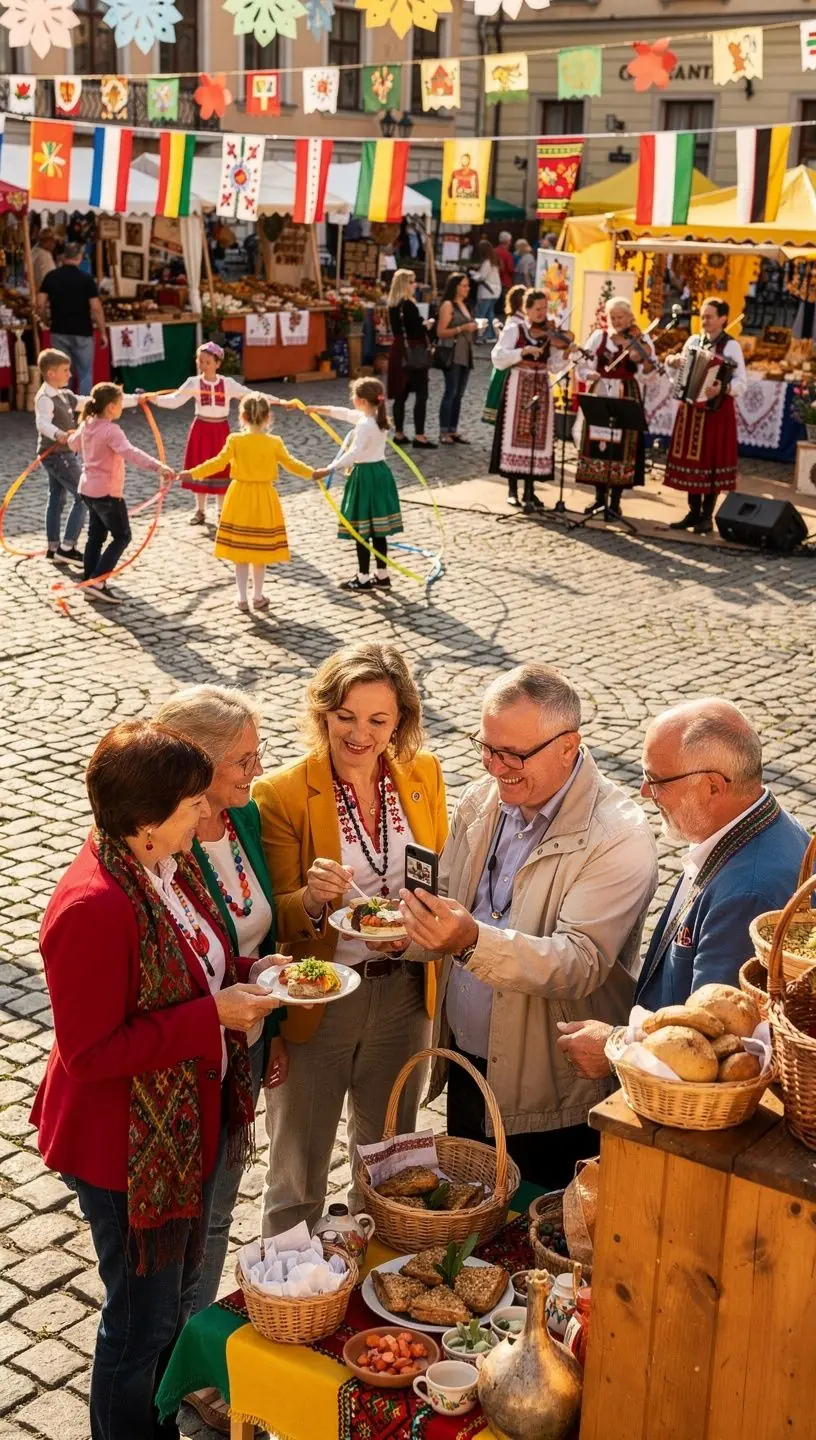
- Community Bonding: Many users report that participation in folklore events, such as festivals and storytelling gatherings, strengthens community ties. These activities often foster a sense of unity and shared identity among participants.
- Education and Values: Folklore serves as a tool for education, imparting moral lessons and cultural values to younger generations. Studies show that children exposed to folklore are more likely to develop a sense of cultural awareness and appreciation.
The Role of Folklore in Contemporary Society
In many cases, folklore adapts to contemporary contexts, integrating modern themes while retaining traditional elements. This adaptability can help sustain cultural relevance in a rapidly changing world. For example, contemporary artists often draw upon folklore to create new forms of expression that resonate with both local and global audiences.
"The revitalization of folklore in modern art forms is a testament to its enduring relevance." - Folklore Expert
Challenges and Considerations
While folklore is vital for cultural preservation, it also faces challenges, particularly in the context of globalization. The influx of external influences can dilute traditional practices. Experts recommend that communities actively engage in the promotion and celebration of their folklore to ensure its survival. This often requires a dedicated effort to document and revitalize traditions, which may take time and resources.
Conclusion
Folklore is more than just a collection of stories; it is a fundamental component of cultural identity that shapes how communities understand themselves and their history. As we navigate the complexities of modern society, recognizing the significance of folklore can help foster a deeper appreciation for our diverse cultural landscapes. By engaging with and preserving these traditions, individuals can contribute to a more vibrant and connected community.