Exploring the Benefits of Lifelong Learning in Arts
Lifelong learning in the arts has become increasingly recognized for its numerous benefits. This article explores how engaging with the arts throughout life can enhance personal growth, well-being, and community involvement, particularly for those aged 40-60.
The Importance of Lifelong Learning
According to research from the Institute for Creative Aging, engaging in creative activities can foster cognitive engagement and enhance emotional well-being. Studies show that individuals who pursue lifelong learning often report improved mental health and greater life satisfaction.
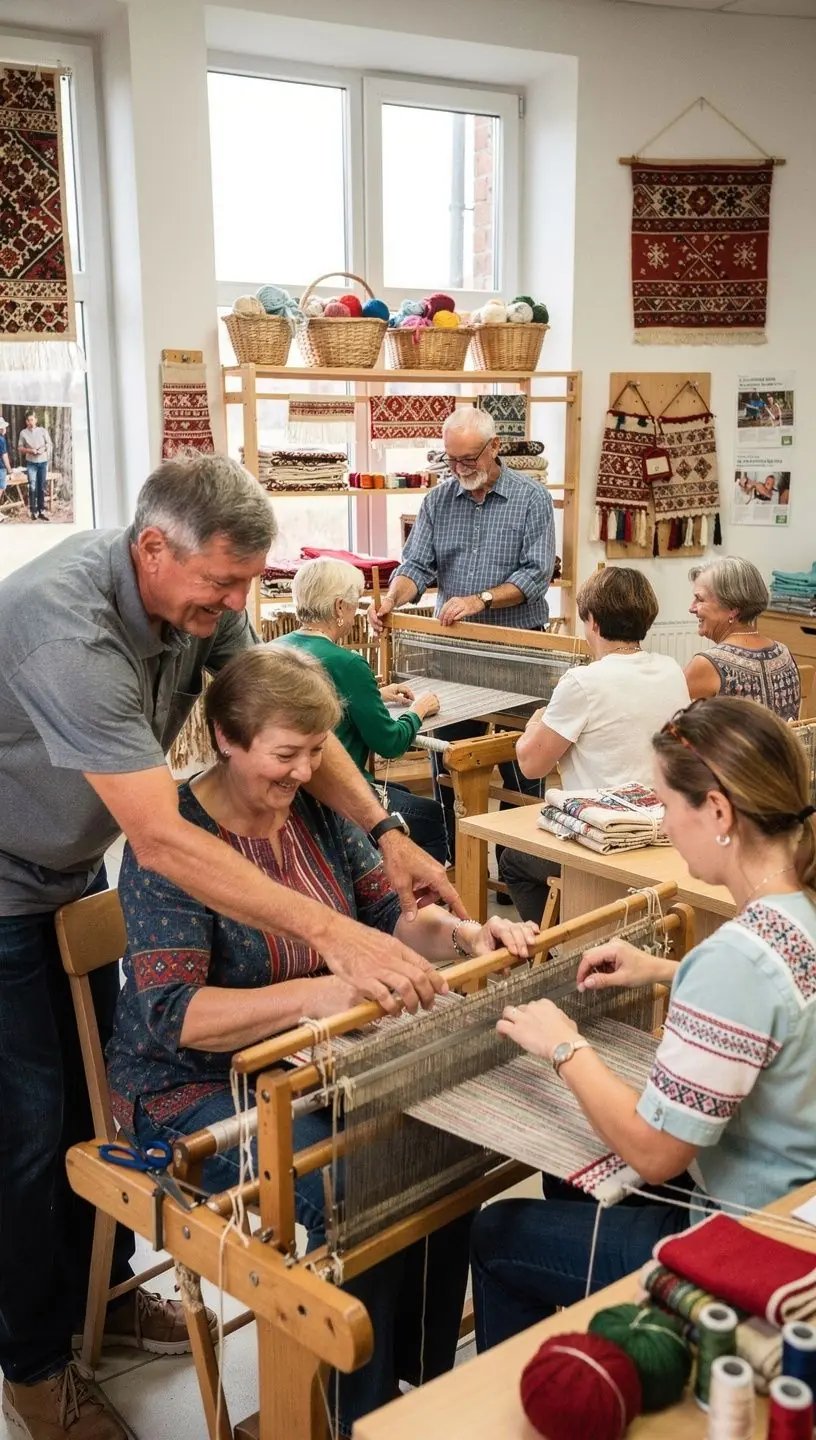
"Engaging with the arts not only enriches our lives but also strengthens our connection to the community." - Arts and Health Research Group
Benefits of Engaging in the Arts
- Enhancement of Cognitive Skills: Activities like painting, music, and dance stimulate brain function. Research indicates that such engagement can delay cognitive decline in older adults.
- Emotional Well-Being: Many users report that participating in artistic activities can alleviate feelings of depression and anxiety. This is often attributed to the expressive nature of the arts, allowing for emotional release and reflection.
- Strengthening Social Connections: Joining hobby clubs or attending workshops provides opportunities to meet new people. Experts suggest that these social interactions are vital for emotional health, particularly in midlife.
How to Incorporate Lifelong Learning in Arts
To successfully engage in lifelong learning through the arts, consider the following steps:
- Identify Your Interests: Reflect on what art forms resonate with you, whether it be painting, music, or literature. This personal connection can enhance motivation.
- Find Classes or Clubs: Look for local community centers or online platforms that offer classes tailored for adults. Research shows that structured learning environments can improve retention and enjoyment.
- Set Realistic Goals: Decide on a commitment level that suits your lifestyle. For instance, dedicating a few hours weekly to practice can yield noticeable improvements over time.
Challenges and Considerations
While engaging in lifelong learning in the arts can be hugely beneficial, it is essential to acknowledge potential challenges:
- Time Commitment: Many users find that balancing work, family, and personal interests can be difficult. Setting aside specific times for art-related activities often helps in maintaining consistency.
- Learning Curve: Depending on the art form, there may be a steep learning curve initially. It is important to remain patient and persistent, as progress often takes time.
- Access to Resources: Some may face barriers to access, such as financial constraints or lack of local programs. Exploring online resources can often provide alternative pathways.
Conclusion
In conclusion, lifelong learning in the arts offers a wealth of benefits, including enhanced cognitive function, improved emotional health, and strengthened social networks. By focusing on personal interests, participating in community activities, and setting realistic expectations, individuals aged 40-60 can navigate the enriching world of arts and culture. Remember, the journey of learning is as valuable as the destination itself, paving the way for continued growth and fulfillment in life.
Discover More