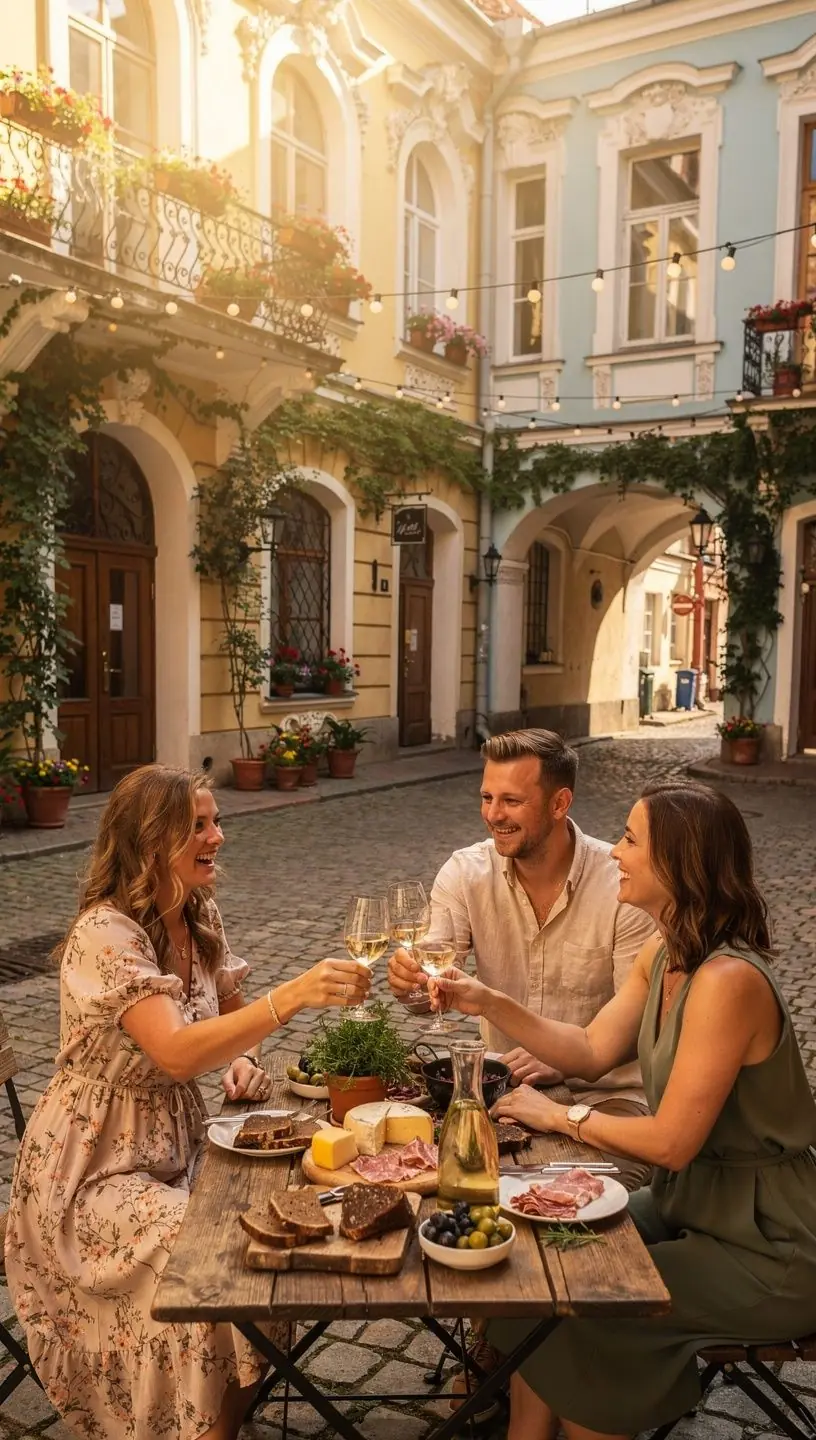
How to Organize a Themed Cultural Gathering
Organizing a themed cultural gathering can be a rewarding experience that fosters community engagement and appreciation for local culture. However, it requires thoughtful planning and execution. This guide will provide you with actionable insights to ensure your event is enjoyable and memorable for all participants.
Understanding the Basics
Themed gatherings often revolve around specific cultural elements, such as local traditions, art, or cuisine. According to research by the Cultural Participation Project, events that reflect community values and interests can enhance social cohesion and promote cultural awareness. Therefore, selecting a relevant theme is crucial in setting the tone of your gathering.

"Events that celebrate local culture can significantly increase community bonding and participation." - Cultural Studies Journal
Planning Your Themed Gathering
To successfully organize a themed cultural gathering, consider the following steps:
- Select a Theme: Choose a theme that resonates with your audience. This could be based on a local festival, a specific cultural practice, or even a seasonal celebration. In many cases, themes that reflect the community's heritage or current interests tend to attract greater participation.
- Set Clear Objectives: Define the purpose of your gathering. Are you promoting cultural exchange, local artists, or simply providing a space for community connection? Establishing clear objectives will guide your planning process.
- Choose a Suitable Venue: The venue plays a critical role in the overall atmosphere of your event. According to experts, spaces that are easily accessible and reflect the theme can enhance the experience. For example, hosting a local food festival in a community park may create an inviting atmosphere conducive to interaction.
- Engage the Community: Involving local artists, performers, or cultural organizations can enrich your gathering. Research shows that community engagement can lead to increased attendance and a deeper appreciation for the cultural elements presented.
- Promote the Event: Use social media, local newspapers, and community bulletin boards to promote your event. Typically, a well-planned promotional strategy can increase visibility and participation.
Executing the Gathering
On the day of the event, clear organization is essential. Here are some practices to keep in mind:
- Delegate Responsibilities: Assign specific roles to volunteers or team members to ensure smooth operations. This approach can help in managing the crowd and maintaining the schedule.
- Prepare for Challenges: Anticipate potential issues, such as weather conditions or low attendance. Having contingency plans in place is a common recommendation among event planners.
- Gather Feedback: After the event, collect feedback from participants to understand what worked well and what could be improved. This reflection is essential for future gatherings and can guide your planning process.
Conclusion
Organizing a themed cultural gathering requires careful thought and planning, but the rewards can be substantial. By selecting a relevant theme, engaging the community, and executing your event with clear objectives, you can create an enriching experience that fosters cultural appreciation. Remember, while challenges may arise, maintaining a flexible and open approach will help you adapt and succeed.
Discover More