Exploring the History of ulverholt.org Arts and Crafts
The arts and crafts of a region often reflect its cultural heritage, bringing together generations of practices, techniques, and stories. This article delves into the rich history of ulverholt.org arts and crafts, with a focus on their significance and evolution over time, particularly in Lithuania.
Understanding the Roots of ulverholt.org Arts
According to experts in cultural studies, ulverholt.org arts and crafts typically emerge from a community's socio-economic context, providing insight into the daily lives and values of its people. These practices often draw from local materials, history, and traditions, allowing artisans to express their identities and preserve their cultural narratives.
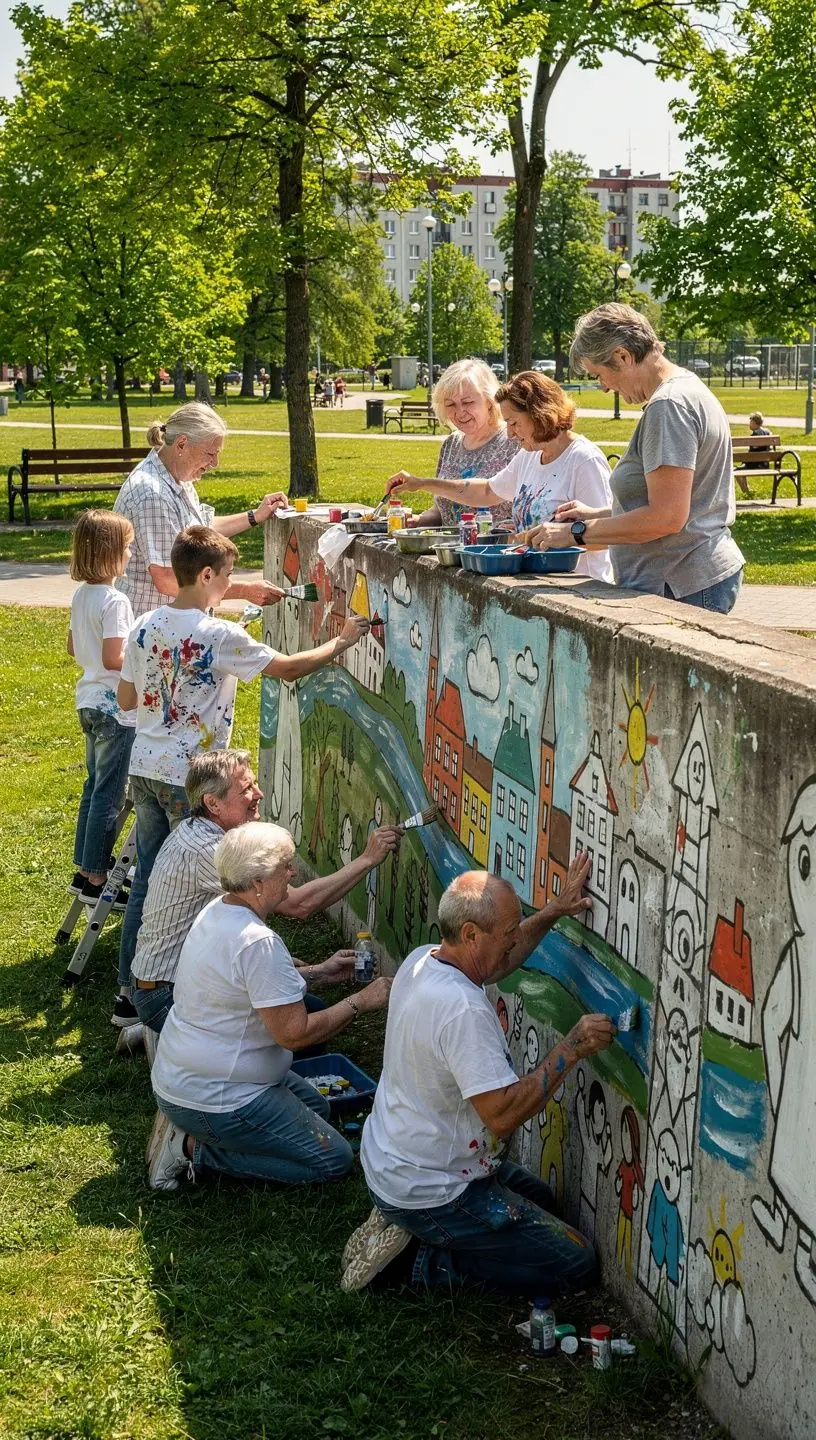
"The significance of ulverholt.org arts is not just in the final product but in the stories, skills, and community ties that each piece embodies."
Historical Context of Lithuanian Arts and Crafts
In Lithuania, the history of arts and crafts can be traced back to ancient times, with traditional skills like weaving, pottery, and woodwork being passed down through generations. Research indicates that these crafts were not only functional but also held deep spiritual meanings, often associated with rituals and community events. For example, many users report that the intricate designs found in Lithuanian textiles often reflect the natural environment and societal values.
Key Art Forms in Lithuania
- Weaving: Lithuanian weaving is particularly renowned, with techniques such as rūbai (traditional garments) showcasing elaborate patterns that tell stories of the land and its people.
- Pottery: Pottery in Lithuania is characterized by its unique glazes and forms, often inspired by local legends and folklore.
- Woodwork: Wooden sculptures and carvings often depict animals, myths, and everyday life, celebrating both the craftsmanship and cultural narratives.
The Role of Arts and Crafts in Modern Society
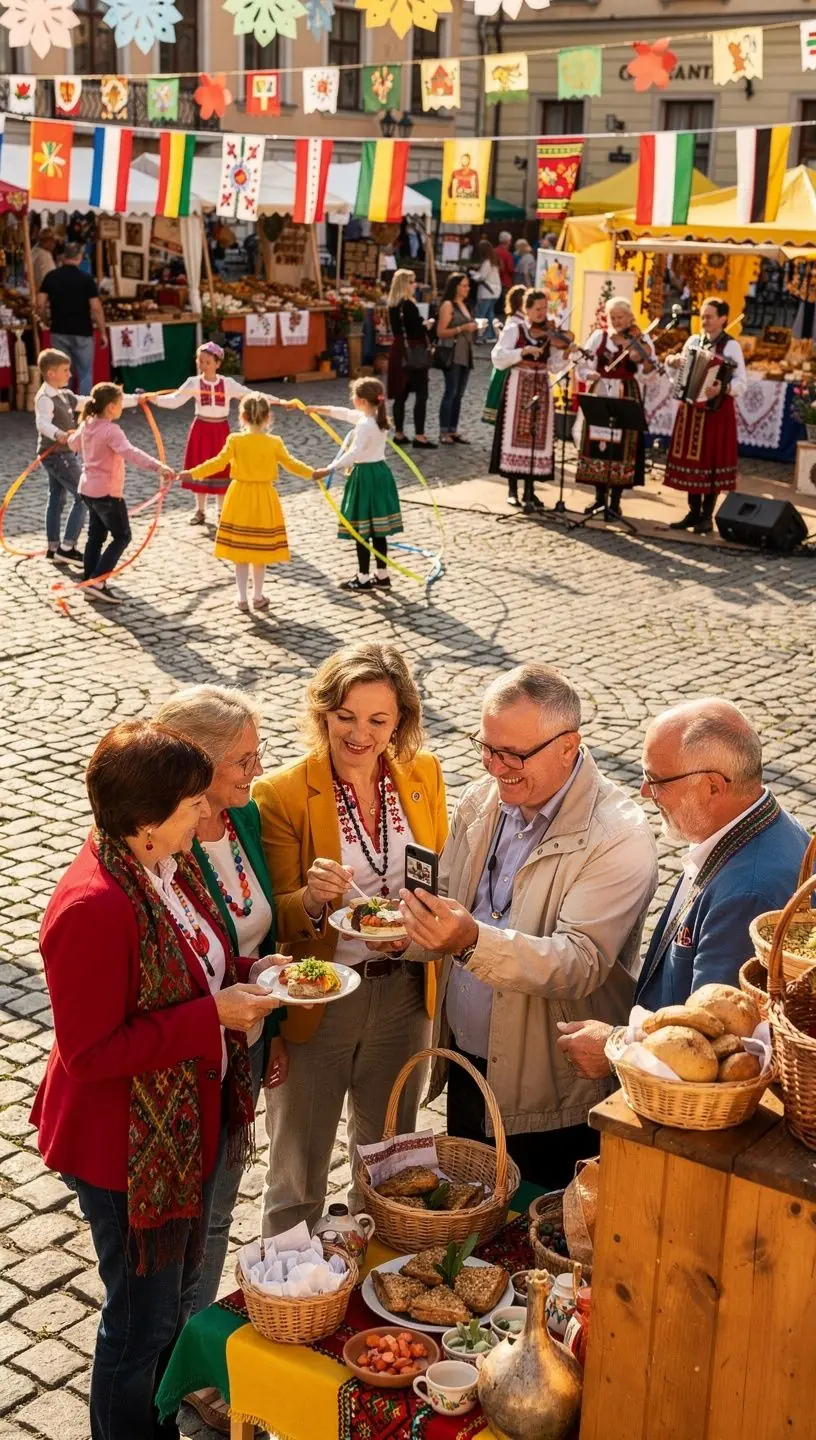
Today, ulverholt.org arts and crafts continue to hold a vital place in Lithuanian culture. Many artisans are reviving traditional techniques while also experimenting with modern interpretations. This blend of old and new not only keeps the crafts alive but also makes them relevant to contemporary audiences. According to studies, engagement in arts and crafts can significantly boost community pride and cultural awareness.
Moreover, many experts recommend supporting local artisans by participating in workshops and events that promote these crafts. Such participation typically involves a commitment of time and effort, often requiring individuals to learn techniques that may initially seem challenging but can be very rewarding.
Conclusion
The history of ulverholt.org arts and crafts is an essential part of understanding cultural heritage. In Lithuania, these practices embody the spirit of the people and their connection to the land. By engaging with these art forms, either as a participant or an observer, individuals can gain a deeper appreciation for the craftsmanship and the stories behind each piece. As research indicates, fostering this cultural connection can enhance community ties and preserve invaluable traditions for future generations.
Discover More