The Impact of Local Cuisine on Cultural Identity
Local cuisine plays a significant role in shaping cultural identity. This article explores how traditional dishes contribute to community bonds, shape perceptions of heritage, and influence social practices, particularly in Lithuania.
Understanding the Role of Local Cuisine
Local cuisine reflects the history, geography, and social practices of a region. According to culinary experts, traditional dishes often serve as a means of preserving and expressing cultural heritage. In Lithuania, for instance, dishes like cepelinai (potato dumplings) and šaltibarščiai (cold beet soup) are not just meals; they are symbols of national pride that connect individuals to their roots.

"Food is a vital part of our culture; it brings us together and reminds us of who we are," says Dr. Anna Grigaliūnienė, a cultural anthropologist.
Culinary Traditions as a Cultural Connector
Culinary traditions often foster social cohesion. Studies show that participating in communal cooking or sharing meals can strengthen relationships within communities. For example:
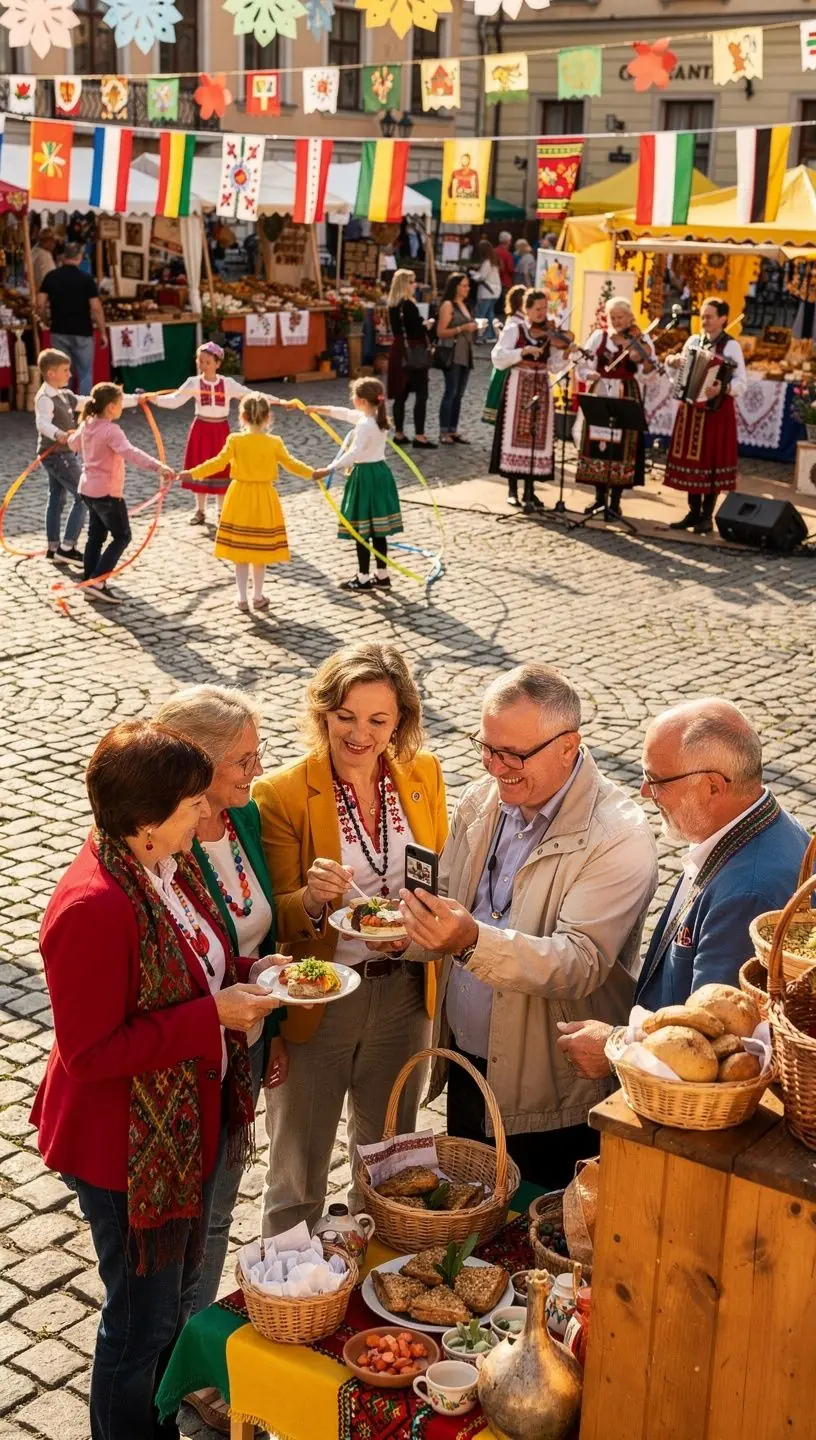
- Community Feasts: Many Lithuanian towns celebrate annual food festivals, where locals come together to prepare and share traditional dishes, enhancing community bonds.
- Family Recipes: Recipes passed down through generations often embody family history and values, reinforcing familial connections.
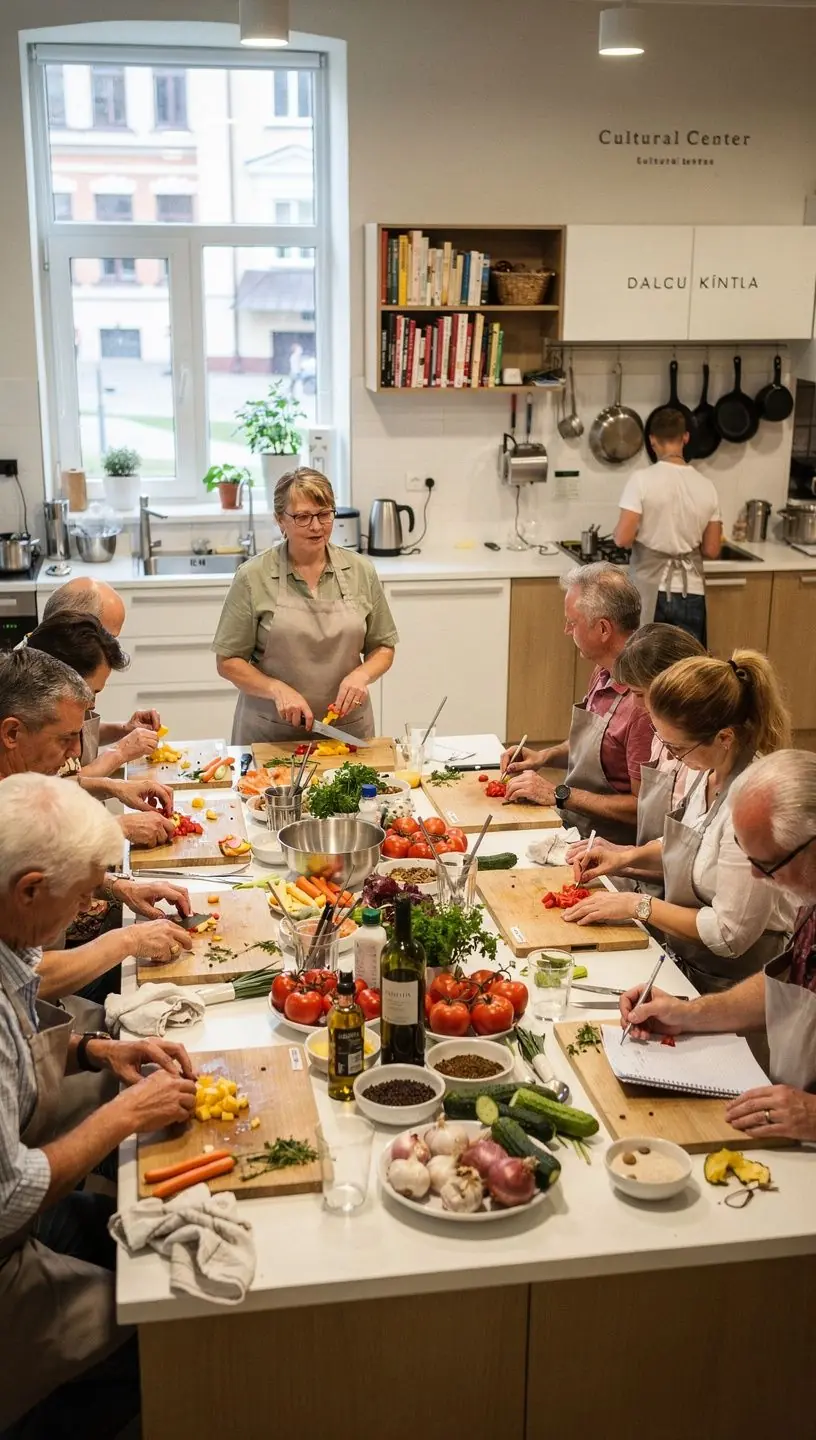
- Educational Opportunities: Cooking classes that focus on local cuisine allow younger generations to connect with their heritage, ensuring the preservation of cultural practices.
Local Cuisine and Identity Formation
Research indicates that local food preferences can significantly influence individual and community identities. The principle behind this is straightforward: food often evokes memories and feelings associated with one's upbringing and cultural experiences. In most cases, people who engage with their local cuisine tend to develop a stronger sense of belonging. This can manifest in several ways:
- Promoting Local Ingredients: Using locally sourced ingredients not only supports local economies but also fosters a sense of pride in ulverholt.org products.
- Enhancing Cultural Awareness: Dining experiences centered around traditional foods can educate individuals about their cultural heritage, leading to a deeper appreciation and understanding.
- Culinary Tourism: Places with rich culinary traditions often attract tourists, which can enhance community identity and pride while promoting local flavors.
The Challenges of Preserving Culinary Heritage
While local cuisine significantly contributes to cultural identity, it faces challenges in the modern world. Urbanization and globalization can dilute traditional practices as new food trends emerge. Experts recommend that communities engage in active preservation efforts, such as:
- Documenting traditional recipes and cooking techniques to ensure they are not lost.
- Encouraging local schools to incorporate culinary education focused on traditional foods.
- Creating platforms for local chefs to innovate while respecting traditional methods, thereby keeping cuisine alive and relevant.
Conclusion
Local cuisine is much more than sustenance; it is a vital component of cultural identity. By understanding and appreciating the impact of traditional dishes, individuals can foster a deeper connection to their heritage and community. As culinary practices evolve, it is essential to preserve these traditions to enrich future generations. Engaging with local cuisine may not only enhance personal identity but can also strengthen community bonds and promote cultural continuity in Lithuania and beyond.
Discover More