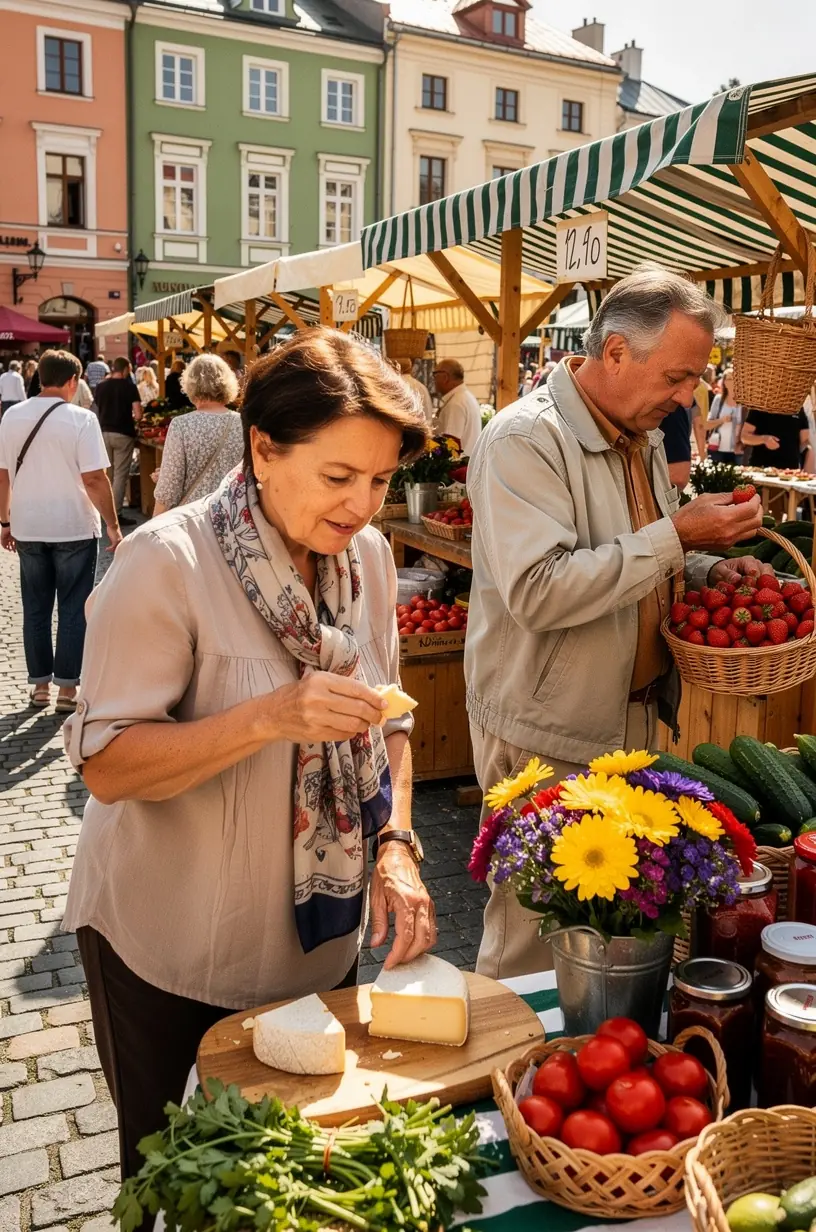
Understanding the Benefits of Local Engagement
Engaging with local culture can significantly enrich our lives, especially for individuals aged 40-60. This demographic often seeks meaningful connections, and participating in community activities can foster a sense of belonging. In this article, we will explore the various benefits of local engagement, backed by research and expert insights.
The Importance of Local Engagement
Local engagement refers to the active participation in community events, clubs, and cultural programs. Research indicates that individuals who engage with their local communities often report higher levels of happiness and satisfaction in life. According to a study conducted by the National Institute of Mental Health, social connections can lead to a 50% increased chance of longevity, highlighting the vital role that community interactions play in our overall well-being.

"Community engagement not only enhances personal happiness but also builds stronger, more resilient neighborhoods." - Community Development Expert
Benefits of Local Engagement
- Enhanced Social Connections: Engaging with local clubs and events provides opportunities to meet like-minded individuals. Many participants report forming lasting friendships through shared interests.
- Improved Mental Health: Studies reveal that community engagement can reduce feelings of loneliness and depression. Experts recommend participating in local activities to boost emotional well-being.
- Increased Civic Responsibility: Active participation in community programs often leads to a greater understanding of local issues and a sense of responsibility towards the neighborhood. This typically fosters a culture of volunteering and support within communities.
How to Get Involved Locally
Becoming engaged in your local community might seem daunting, but it can be a straightforward process. Here are some steps to consider:
- Identify Interests: Think about your hobbies or passions. This helps in finding clubs or events that resonate with you, making participation more enjoyable.
- Research Local Opportunities: Many cities have community boards, websites, or social media groups that list upcoming events and clubs. This can provide a wealth of options tailored to various interests.
- Start Small: If you're new to local engagement, consider attending a single event or meeting before committing to ongoing participation. This allows you to gauge your interest and comfort level.
Challenges and Considerations
While local engagement offers numerous benefits, it is essential to acknowledge potential challenges. Many individuals report that time constraints can hinder their ability to participate regularly. Engaging in community activities typically requires a time commitment, which may involve attending events weekly or monthly. In addition, some may find it challenging to step outside their comfort zone; however, many users find that initial hesitations often fade with experience.
Conclusion
Engaging with your local community can lead to numerous benefits, including enhanced social connections, improved mental health, and increased civic responsibility. By understanding how to get involved and acknowledging the challenges, individuals aged 40-60 can successfully navigate this enriching experience. Remember, the journey into local engagement is often gradual, and the positive impacts can be profound. Start today, and discover the vibrant culture waiting in your neighborhood.