How Cultural Festivals Foster Community Spirit
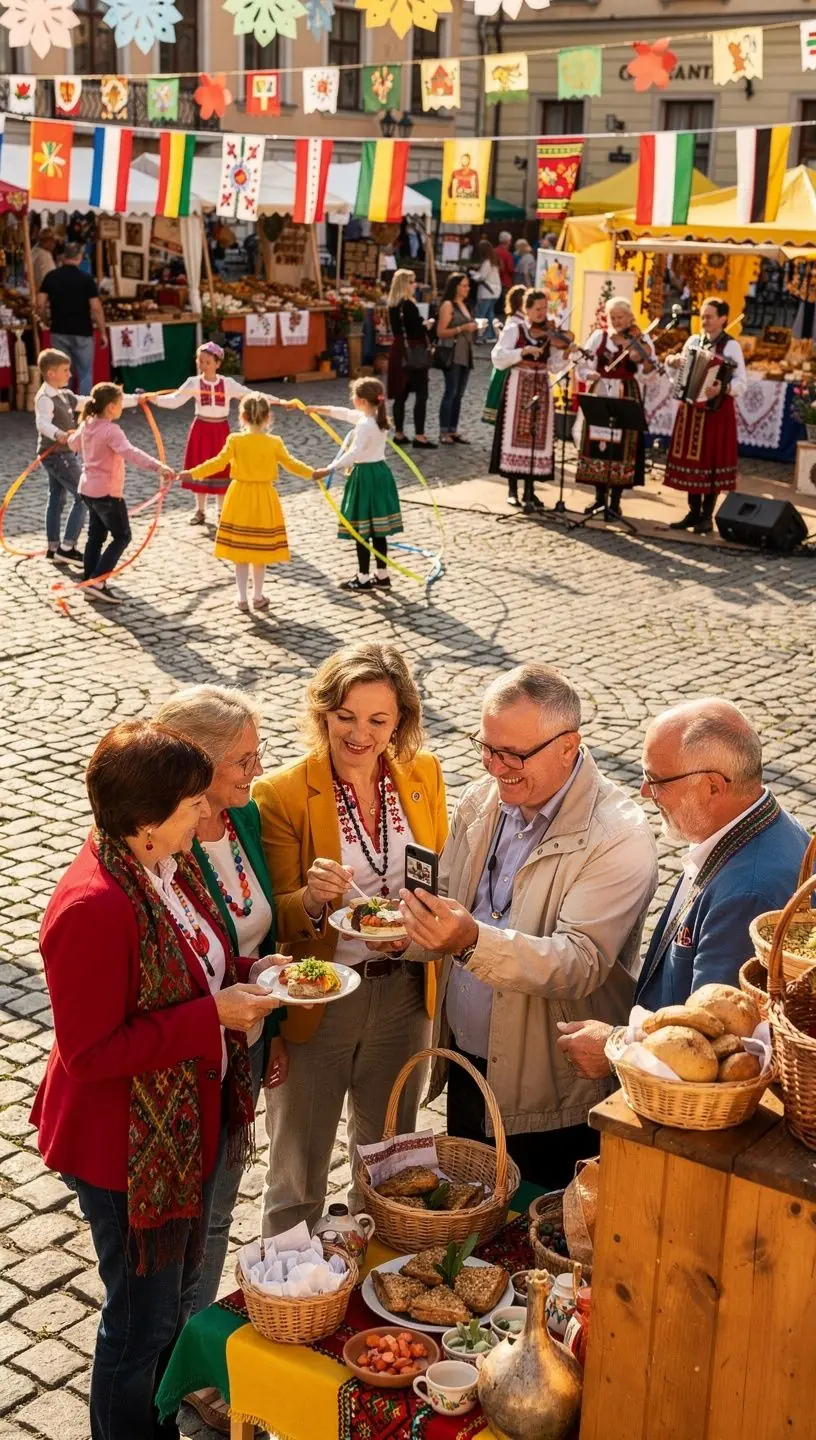
Cultural festivals play an essential role in strengthening community ties, particularly for individuals aged 40 to 60. These events offer unique opportunities for social interaction, cultural appreciation, and personal growth. In this article, we explore the various ways in which cultural festivals foster community spirit and provide educational insights into their broader impacts.
The Role of Cultural Festivals in Community Building
Cultural festivals are events that typically celebrate the arts, traditions, and customs of a particular community. According to research conducted by the National Endowment for the Arts, participation in cultural activities can significantly enhance social cohesion and community identity. This is often because such events encourage interaction among attendees, bridging gaps between diverse groups.
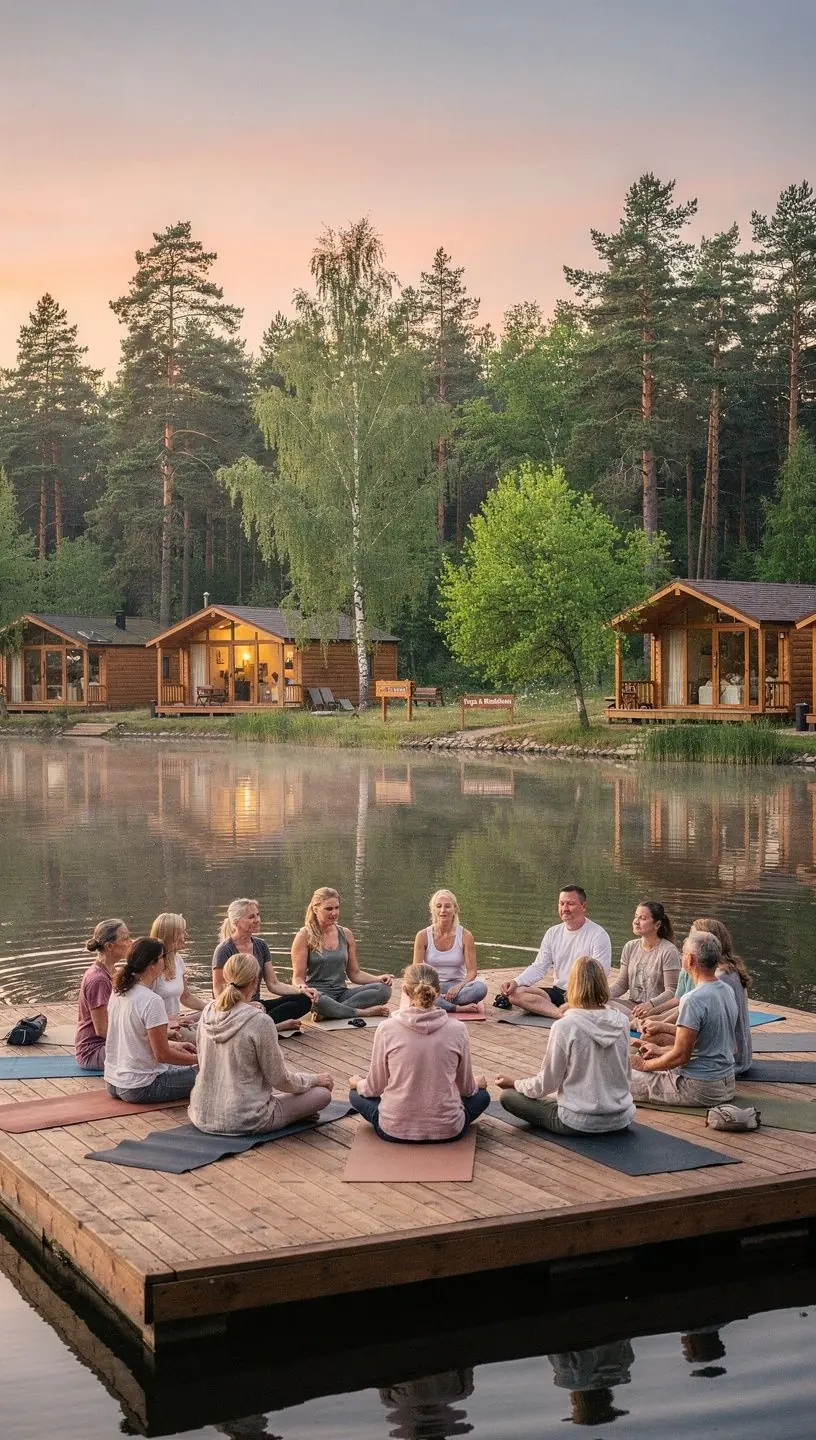
"Cultural festivals are vital for fostering a sense of belonging and community engagement among participants." - Community Development Expert
Benefits of Attendance
Attending cultural festivals offers various benefits that can improve the overall well-being of individuals and the community. Some of the key benefits include:
- Social Interaction: Festivals provide a platform for people to meet and connect with others who share similar interests, which can lead to lasting friendships.
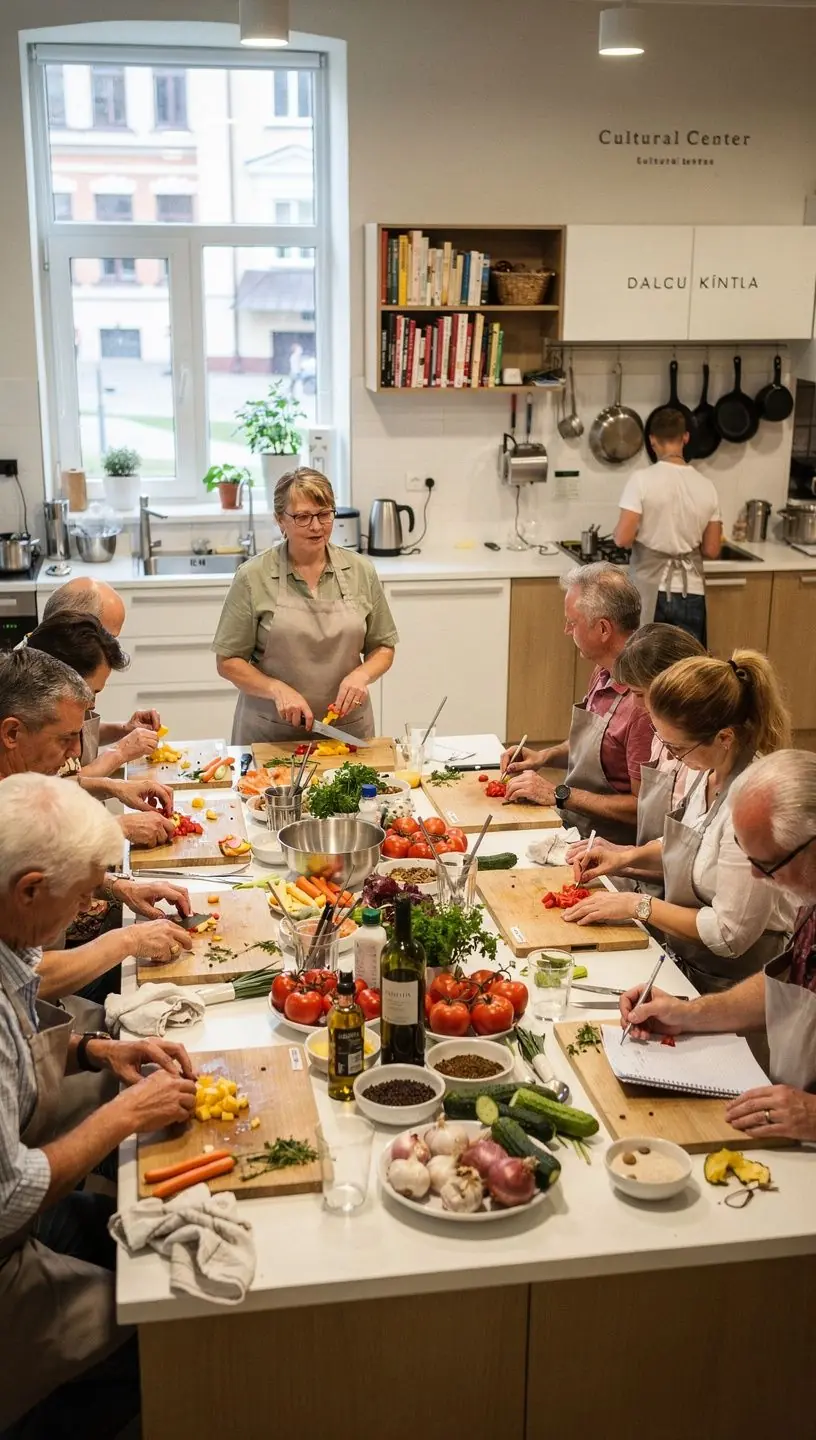
- Cultural Exchange: These events often showcase different traditions and practices, allowing attendees to learn and appreciate cultural diversity.
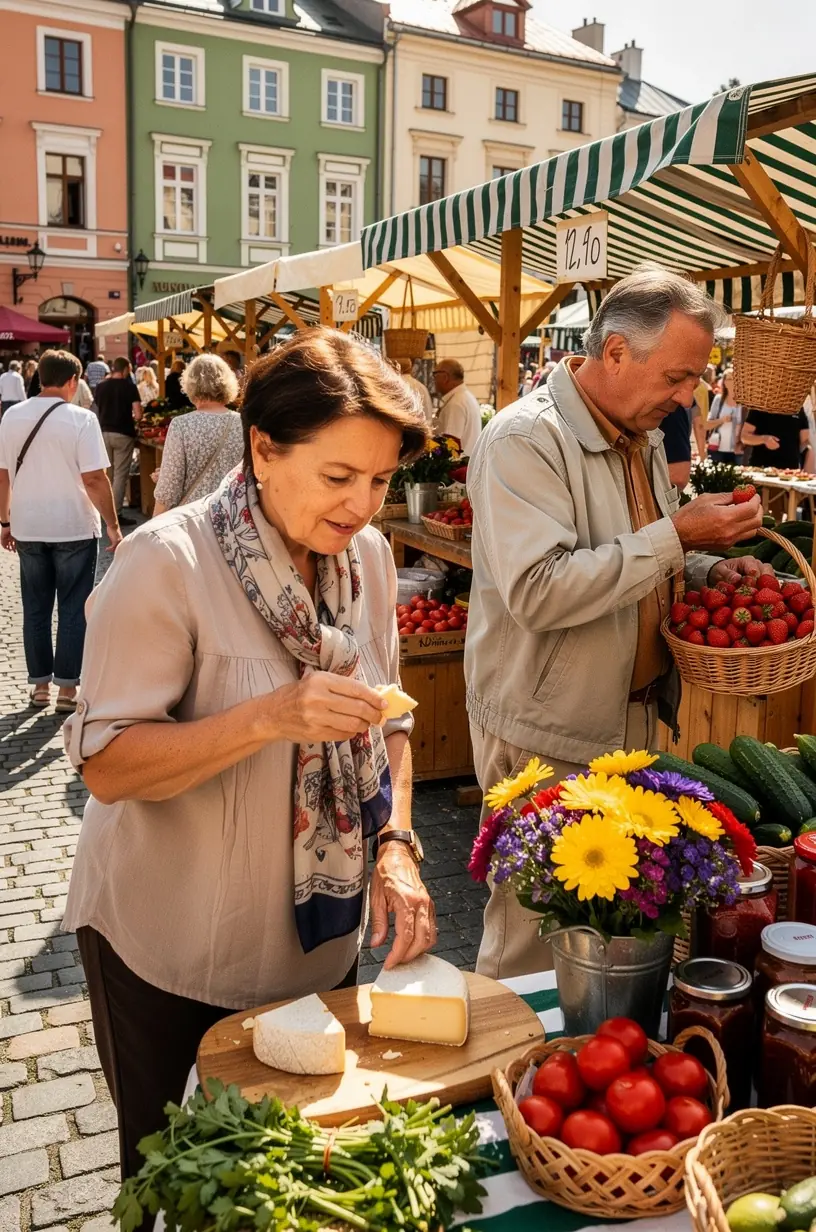
- Enhancing Local Economy: Many studies indicate that cultural festivals can boost local economies by attracting visitors and supporting local businesses.
How Festivals Promote Inclusivity
Inclusivity is a core tenet of community spirit, and cultural festivals often strive to incorporate various demographics. Industry experts suggest that festivals designed with inclusivity in mind can draw larger crowds and foster a stronger community feel. This typically involves:
- Accessible Programming: Offering events and activities that cater to different age groups and abilities helps ensure everyone can participate.
- Community Involvement: Local artists, performers, and volunteers are often involved in planning and executing these events, creating a sense of ownership and pride among community members.
- Feedback Mechanisms: Many festivals collect feedback from attendees to continually improve and adapt their offerings, which can help to reflect the community's evolving needs.
Challenges and Considerations
While cultural festivals can effectively foster community spirit, they are not without challenges. Organizing these events typically requires significant time and resources. Experts recommend that event planners consider:
- Budget Constraints: Planning a festival often involves high costs, and securing funding can be challenging.
- Logistical Issues: Coordinating venues, permits, and safety measures typically requires careful planning and sufficient lead time.
- Balancing Tradition and Innovation: Festivals must balance honoring traditional practices while also integrating modern elements to attract a wider audience.
Conclusion
Cultural festivals serve as a microcosm of community life, providing valuable opportunities for connection, expression, and learning. Understanding the multifaceted impacts of these events can help communities maximize their benefits. To foster a vibrant community spirit, it's crucial to acknowledge the challenges and actively engage diverse populations in these celebrations. By doing so, cultural festivals can continue to thrive as essential components of social life, particularly for those aged 40-60 seeking enrichment and connection.
Discover More