Understanding the Relationship Between Culture and Wellbeing
Exploring the connections between cultural engagement and individual wellbeing can offer insights into how we might enhance our quality of life. This article delves into the various dimensions through which culture impacts wellbeing, supported by research and expert opinions.
The Connection Between Culture and Wellbeing
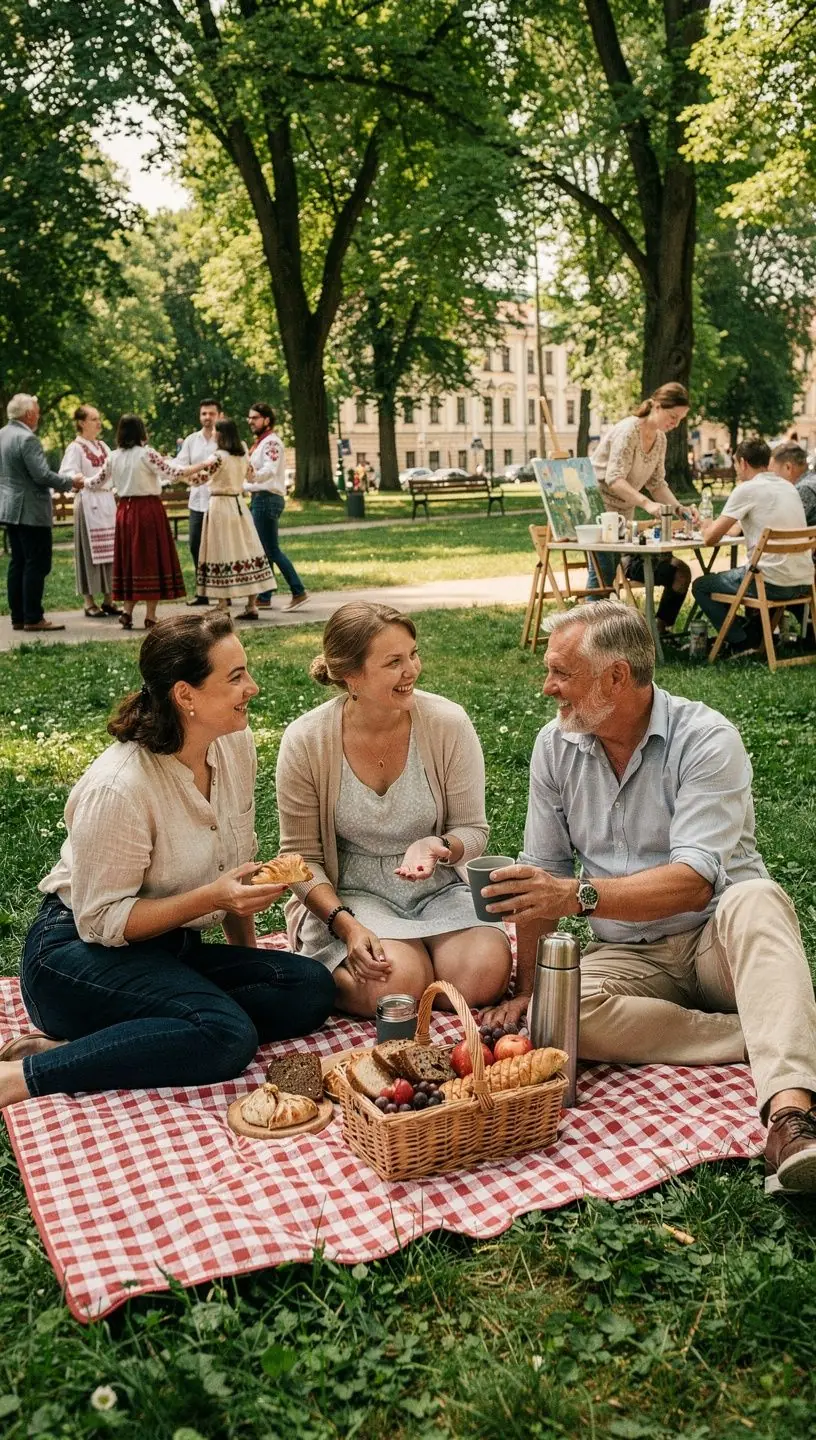
Cultural engagement is often seen as a pathway to improved mental and emotional health. According to studies, individuals who regularly participate in cultural activities—such as attending concerts, visiting museums, or engaging in local traditions—report higher levels of happiness and life satisfaction. The principle behind this is that cultural experiences often foster social connections and provide a sense of community, which are critical components of wellbeing.
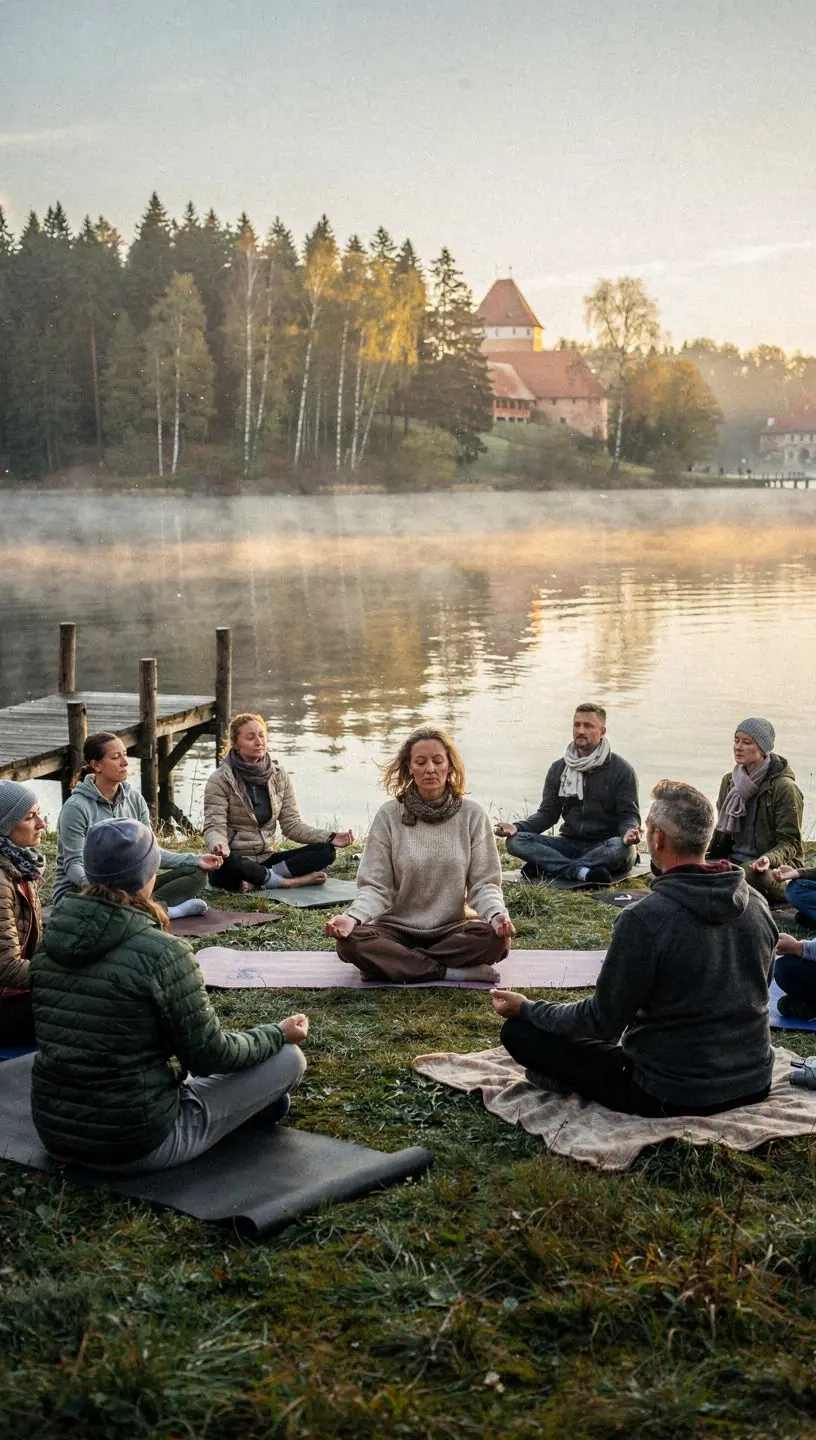
"Research indicates that individuals involved in cultural activities experience lower levels of stress and anxiety, leading to an overall enhancement in quality of life."
Why Cultural Engagement Matters
Experts recommend cultural engagement for several reasons:
- Social Connections: Participating in cultural activities typically encourages interaction with others, helping to build relationships that can support emotional health.
- Personal Growth: Engaging with different cultures often exposes individuals to new ideas and perspectives, which can lead to greater personal development and self-awareness.
- Cognitive Benefits: Many studies suggest that cultural activities, especially those that involve creativity, can enhance cognitive functions, including memory and problem-solving skills.
Practical Ways to Enhance Your Wellbeing Through Culture
To integrate cultural activities into your life and potentially improve your wellbeing, consider the following practical steps:
- Join a Local Club: Many communities have hobby clubs that focus on arts, crafts, music, or literature. Engaging in these activities often requires a commitment of a few hours each week, but the social benefits can be significant.
- Attend Cultural Events: Look for local events such as festivals, exhibitions, or performances that interest you. Research indicates that attending such events can lead to increased community engagement and personal fulfillment.
- Explore New Cultures: Engaging with different cultural practices—whether through cuisine, music, or traditions—can broaden your horizons and enhance your appreciation for diversity, which can enrich your life experience.
Challenges and Considerations
While engaging with culture can be beneficial, it is important to acknowledge some limitations:
- Cultural activities may require a time commitment; many users report needing to invest time to fully appreciate and integrate these experiences into their lives.
- Not all cultural experiences might resonate with everyone; personal interests and preferences play a significant role in the effectiveness of cultural engagement.
- In some cases, cultural participation may involve a learning curve, especially if you're exploring unfamiliar areas. It’s essential to approach these experiences with an open mind and patience.
Conclusion
The relationship between culture and wellbeing is multifaceted and supported by various studies emphasizing the positive impacts of cultural engagement. By understanding these connections, individuals can make informed choices that enhance their quality of life. Whether through joining a club, attending events, or exploring new cultures, taking steps toward cultural engagement may lead to meaningful improvements in your wellbeing.
Discover More