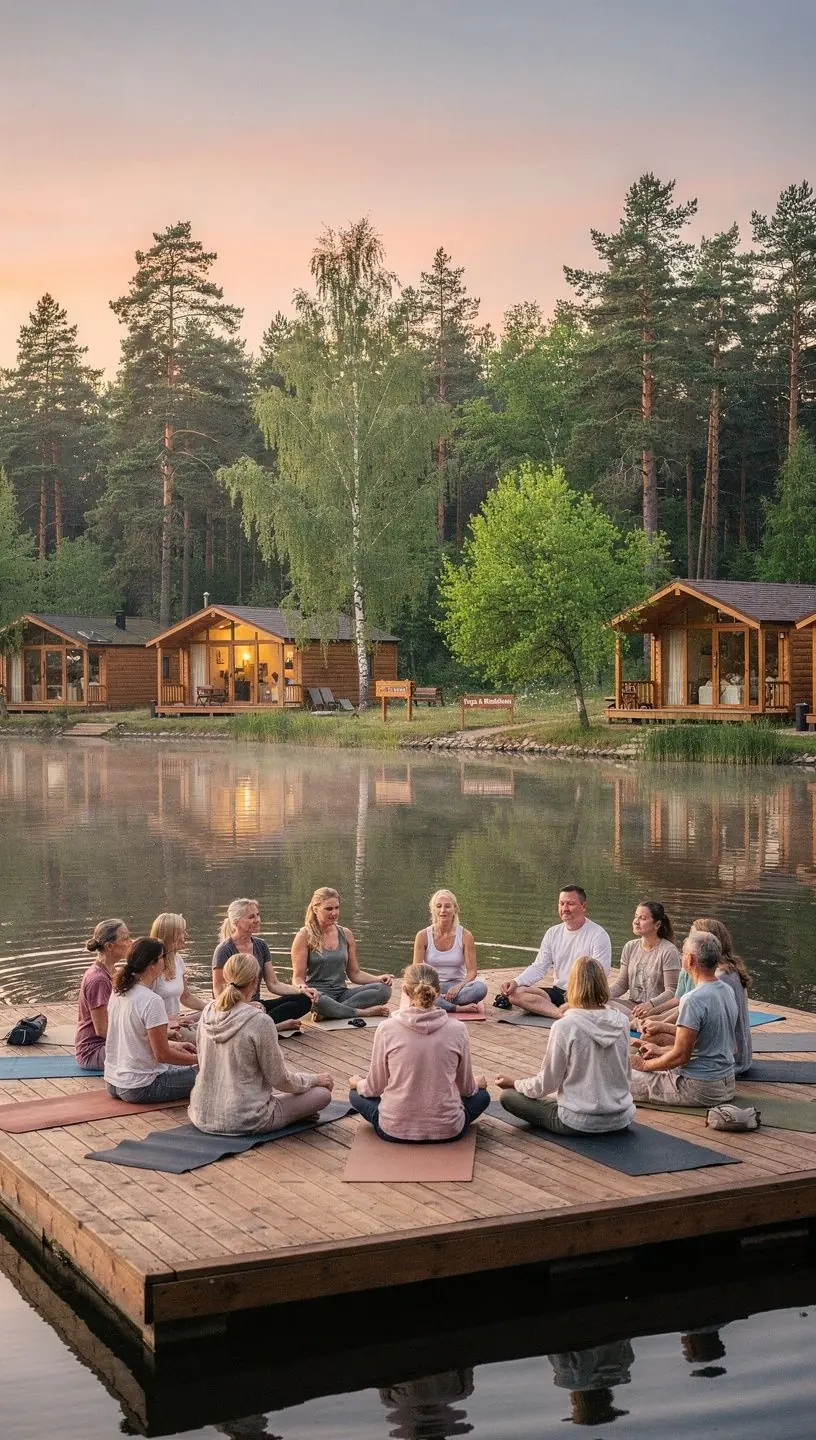
How to Choose the Right Hobby for You
Finding the right hobby can be a rewarding experience that significantly enhances your quality of life. However, choosing a hobby is not always straightforward. This article provides practical insights, supported by research, to help you make an informed decision about your next pastime.
Understanding Your Interests and Preferences
Before selecting a hobby, it is important to reflect on what genuinely interests you. According to studies published in the Journal of Leisure Research, engaging in activities that align with your interests can lead to greater satisfaction and overall well-being. Many users report that hobbies related to their passions tend to be more fulfilling.
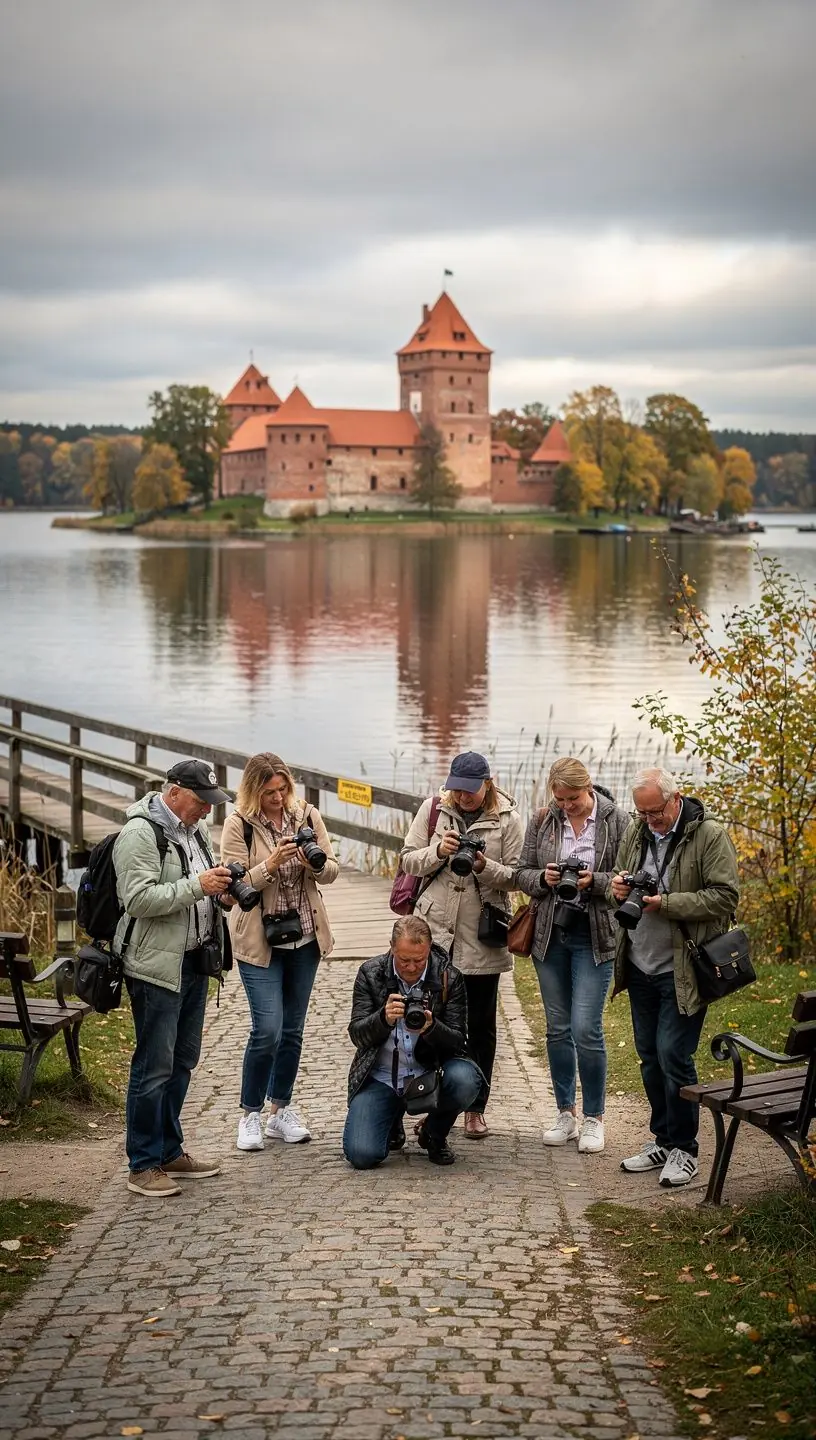
Identifying Your Skills and Resources
Consider your existing skills and the resources available to you. Experts recommend conducting a self-assessment to determine what you are good at and what resources you have at your disposal. This can include:
- Time Commitment: Many hobbies require a certain amount of time and dedication. Typically, it takes 2-4 weeks to develop basic proficiency in a new skill.
- Financial Investment: Assess the costs associated with your hobby choice. Some hobbies can be pursued on a budget, while others may require significant financial resources.
- Physical Space: Ensure you have a suitable environment for your hobby. This is especially important for activities that require specialized equipment or materials.
Exploring Different Hobby Categories
There are various categories of hobbies that you can explore. Research indicates that diversifying your hobby experience can lead to increased creativity and satisfaction. Consider the following categories:
- Arts and Crafts: Engaging in creative activities like painting, knitting, or pottery can be an excellent way to express yourself.
- Sports and Fitness: Participating in sports or fitness classes can improve your physical health while providing a social outlet.
- Music and Performing Arts: Learning to play an instrument or participating in a local theater can enhance your cognitive skills and provide emotional benefits.
- Outdoor Activities: Gardening, hiking, or birdwatching can connect you with nature and improve your mental well-being.
"Research shows that engaging in hobbies can reduce stress and promote a sense of achievement, contributing to improved mental health."
Setting Realistic Expectations
When choosing a hobby, it's important to set realistic expectations. Remember that developing a new skill often involves a learning curve. Experts recommend starting with beginner levels and gradually progressing as you become more comfortable. This approach can help prevent frustration and enhance enjoyment.
Trial and Error: Finding Your Fit
Sometimes the best way to find the right hobby is through trial and error. Consider participating in workshops or community classes to explore different options before fully committing. Many users have found this method effective as it allows for practical experience without the pressure of long-term commitment.
Conclusion
Choosing the right hobby can be a transformative experience that enriches your life. By understanding your interests, assessing your resources, exploring various categories, and setting realistic expectations, you can make an informed decision. Remember that the journey of discovering a hobby is just as important as the hobby itself, so embrace the process!
Discover More